 Safety & compliance
We don't bolt safety on. It's how we were built.
Most dry-ice operators came up the trade and added paperwork later. We're a modern operation that started with the WHS framework, then built the cleaning around it.
Managing the real risks — by process, not luck.
Dry ice cleaning eliminates the chemical and slip hazards of traditional methods, but it introduces its own risks: CO₂ displacement, extreme cold, noise and electrostatic charge. Every one of these is addressed in our standard operating procedures.
CO₂ Atmospheric Monitoring
Real-time multi-gas detector on every job. Threshold alarms set well below Safe Work Australia exposure standards (5,000 ppm / 0.5 Vol%). Forced ventilation and exhaust extraction always on standby. CO₂ is 50% heavier than air — we monitor low-lying zones and confined spaces with extra diligence.
Noise & Hearing Protection
Dry ice blasters generate 100–130 dB(A) at the nozzle. We enforce Class-5 hearing protection for all operators, use silenced applicators where feasible, and establish a 5-metre exclusion zone communicated to all site personnel.
Cold-Burn Prevention
Dry ice sits at −78.5°C. Contact causes cold burns instantly. All operators wear cryogenic-rated gloves and full PPE including face shields. Pellet handling follows strict protocols — no bare skin contact at any stage.
Electrostatic Discharge Control
CO₂ is prone to electrostatic charging. All blasting equipment is grounded. In explosion-risk areas, we suspend the zone classification via proper ventilation accompanied by continuous control measurements before any work begins.
Documented JSA & SWMS
Every single job gets a written Job Safety Analysis and Safe Work Method Statement — before we fire a pellet. Isolation procedures, PPE registers, ventilation plans, emergency contacts and a photo sign-off pack are all included.
High-Risk Work Licensed
Our operators hold current high-risk work licences, first-aid certificates and are trained on confined-space entry, elevated-work platforms and gas detection equipment. This isn't a weekend warrior operation.
Understanding the threshold limit values.
The Threshold Limit Value (TLV) is the concentration to which a worker may be exposed during an eight-hour shift without harm. For carbon dioxide, the limit is 5,000 ppm (0.5 Vol% or 9 g/m³) — approximately three times the natural atmospheric concentration.
Key CO₂ thresholds
- 400 ppmNormal outdoor air
- 1,000 ppmStuffy indoor room — no concern
- 5,000 ppm (TLV)8-hour workplace exposure limit
- 15,000 ppm (STEL)15-minute short-term exposure limit
- 30,000 ppmHeadache, dizziness — evacuate immediately
- 40,000+ ppmImmediately dangerous to life & health (IDLH)
Our real-time gas detectors alarm at 3,000 ppm — well before the TLV is reached. We shut down and ventilate before anyone is at risk.
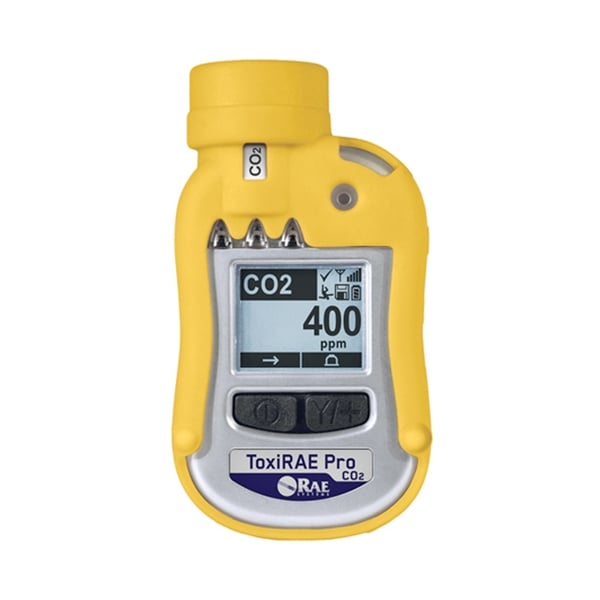
Honeywell ToxiRAE Pro CO₂ monitor on every operator
What our operators wear. Every job.
No exceptions. No shortcuts. Every piece of PPE is checked before deployment and replaced on schedule.
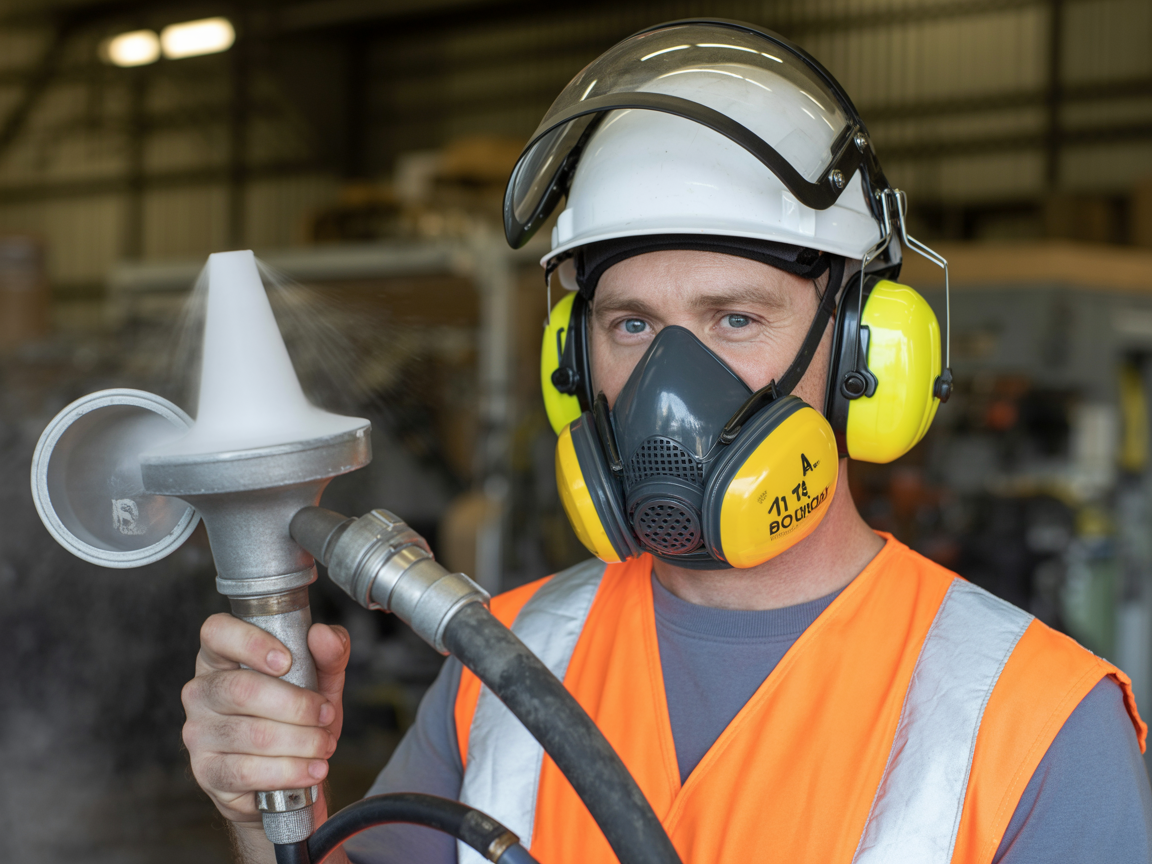
P3 respirator / gas mask
Mandatory near harmful contaminants or confined spaces
Class-5 hearing protection
100–130 dB(A) at nozzle
Full face shield or safety goggles
Flying debris & cold pellet protection
Cryogenic-rated gloves
Dry ice at −78.5°C
Hi-vis protective clothing
Full-body coverage, no exposed skin
Steel-cap safety boots
Site mandatory on all jobs
Honeywell ToxiRAE Pro CO2 PGM-1850
Personal gas monitor — real-time CO₂ ppm readings on every operator
Every job leaves a paper trail.
Councils and corporates buy risk reduction and documentation as much as cleaning. That's why every DRY CARBON CLEAN job produces a complete evidence pack you can file with auditors, insurers and WHS officers.
Built for auditors
Our documentation is designed to satisfy WHS inspectors, HACCP auditors, insurance assessors and corporate compliance teams. Not just ticked boxes — genuine, defensible evidence that the job was done safely and properly.
CO₂ is non-toxic and non-flammable.
Unlike chemical solvents, pressure washing additives and industrial degreasers, carbon dioxide is a naturally occurring gas that is completely non-toxic, non-flammable, non-conductive and produces zero secondary waste. There are no hazardous storage requirements, no COSHH assessments for cleaning agents, no solvent disposal fees and no EPA waste-water permits. The only risk management required is atmospheric monitoring and ventilation — which we provide on every single job.
Non-Toxic
No hazardous chemicals
Non-Flammable
Safe in all atmospheres
Non-Conductive
Safe on live electrics
Zero Waste
No secondary residue
Qualifications our operators hold.
Every DRY CARBON CLEAN representative carries current, nationally recognised licences and certificates. If your site requires additional training or inductions, we welcome the opportunity — we will complete them across the entire DCC team before mobilisation.
Confined Space Entry
RIIWHS202ECertified to enter and work in confined spaces with gas monitoring and rescue plans
Gas Test Atmospheres
MSMWHS217Qualified to test and monitor atmospheric conditions before and during work
Elevated Work Platform (EWP)
TLILIC0005Licensed for boom-type and scissor-lift elevated work platforms
Work at Heights
RIIWHS204ETrained in fall prevention, harness use and anchor point selection
Provide First Aid
HLTAID011Current first-aid certificate including CPR — always on site
White Card (Construction Induction)
CPCCWHS1001General construction induction — mandatory for all construction sites
Need something else? If your site requires specific training — mine-site inductions, CHPP inductions, plant-specific isolations, drug & alcohol testing or any other pre-qualification — we are committed to completing it promptly across all DCC personnel. Building long-term relationships starts with meeting your requirements, not ours.
Situations where we refer you elsewhere.
Part of being safety-first means knowing our limits. We'll tell you up-front and connect you with the right specialist. No drama.
Asbestos-containing materials — specialist licensed contractor required
Lead paint without proper containment — refer to licensed lead removalist
Live high-voltage equipment without confirmed isolation & LOTO
Confined spaces without verified ventilation and rescue plan
Explosive atmospheres without zone suspension and continuous gas monitoring
Want to see our safety docs?
Book a free site assessment and we'll provide a full JSA, SWMS and risk control plan — tailored to your site.